
Published on: 2026-04-10
Moscow, April 9, 2026 — Moscow Mayor Sergey Sobyanin opened the second Moscow tram diameter T2. The new route connected the Chertanovskaya metro station in the south of the capital with the MCD-4 Novogireevo station in the east of the city and became one of the largest projects for the development of surface rail transport.
The length of the new route is about 33 kilometers, making it the longest urban tram route in the world. The tram passes through 13 districts of Moscow, connecting residential neighborhoods with major transport hubs and improving transport accessibility for more than two million residents of the capital.
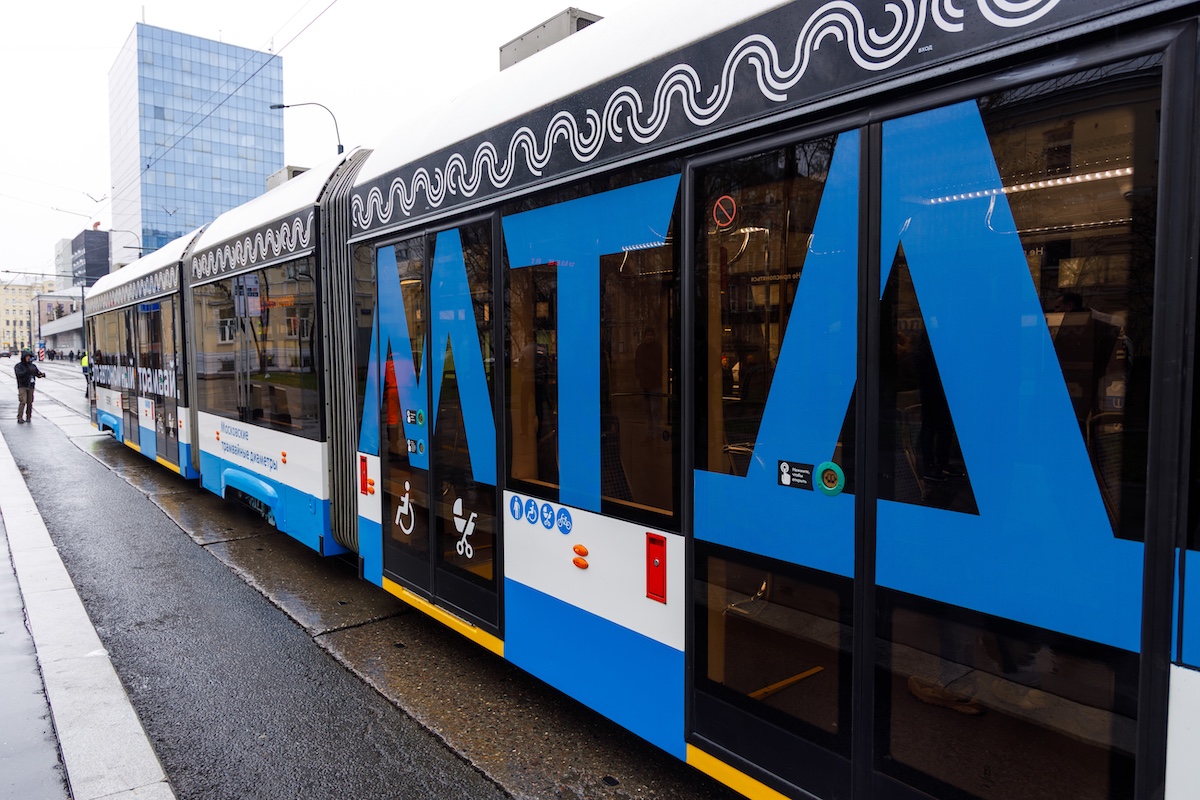
There are 79 stops along the line, and the travel time for the entire route is more than two hours. According to Sergey Sobyanin, the development of the tram network in Moscow is becoming increasingly in demand: in recent years, the number of passengers on the capital’s tram routes has increased significantly.
With the launch of T2 in the capital, there are now two tram diameters with a total length of about 60 kilometers. The first of them — route T1 — was opened in 2025 and became part of a new concept for the development of surface urban transport, operating on the principle of a “surface metro.”
The creation of tramway diameters allows the formation of through routes across the city, reduces travel time, and provides convenient transfers to the metro, MCC, and Moscow central diameters. The new transport infrastructure also contributes to the development of districts and the improvement of urban comfort.
The development of the tram network remains one of the priority directions of Moscow’s transport strategy. In the coming years, further modernization of infrastructure and renewal of rolling stock are planned, which will allow increasing the speed, reliability, and environmental friendliness of the city’s surface transport.